How Location Affects Resale Value
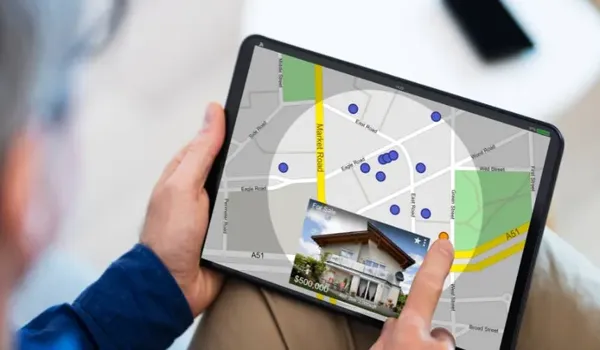
Location is the single biggest driver of how much a property will fetch when you sell it. Homes in prime areas tend to appreciate by 8–12% per year, and some corridors—even faster. In Bangalore’s Whitefield–Sarjapur–Varthur stretch, values have climbed steadily, with prices now averaging ₹9,001 per sq ft (range: ₹5,593–₹13,464) and a projected 25–30% rise by 2030. Prestige Evergreen sits right here, giving buyers a head start on long-term gains.
A “good location” isn’t just a pretty address—it combines accessibility, amenities, safety, and growth potential. That’s why experts say, “Location, location, location.” Even the nicest house can struggle in a weak area, whereas a modest home in a top spot often delivers solid returns.
- Employment hubs: Short commutes cut costs and boost demand.
- Quality schools & hospitals: Essential for families and resale appeal.
- Transport links: Metro, highways, and airports make daily life smoother.
- Safety & planning: Low crime plus future civic projects add confidence.
- Poor transport links — Long, unpredictable commutes turn buyers away.
- Lack of essentials — No schools, clinics, or supermarkets nearby.
- High crime or neglect — Safety concerns erode value over time.
- Oversupply — Too many new projects can flood the market and push prices down.
- No growth scope — If no roads or infrastructure are planned, demand may stagnate.
Buyers often debate “nicer house or better location?” Data show that even a premium finish can’t fully offset a remote or congested locale. A well-located 1,000 sq ft flat often resells faster and at a higher price than a lavish 1,500 sq ft unit in a tucked-away suburb.
To pick the ideal spot, answer:
- How far is my daily commute?
- Are top schools and hospitals within 5 km?
- What’s the crime rate and civic upkeep like?
- Which infrastructure projects are due soon?
Prime areas command higher price-per-sq-ft and better rental yields (3–4% here). In the Whitefield corridor, price growth outpaced the city average by 2–3% annually over the last five years. Secondary zones saw just 5–7% p.a., while Whitefield hovered around 10–12% p.a., thanks to ITPL, ORR access, and major malls.
- Employment: On Sarjapur Road near ORR-Marathahalli; zero hassle getting to ITPL (walkable) and under 35 minutes to Mahadevapura.
- Amenities:
- Schools: The Deens Academy, Delhi Public School, Vibgyor High (2–5 km)
- Hospitals: Manipal Whitefield, Columbia Asia, Aster (3–6 km)
- Malls: Phoenix Marketcity, VR Bengaluru, Nexus Shantiniketan (5–8 km)
- Parks: Inner Circle Municipal Park, Lakeview Farm (within 4 km)
- Infrastructure: Purple Line metro extension active; Yellow Line to Electronic City by late 2025; RRR and flyover projects in planning.
- Community: Gated layout, green pockets, walking trails, and an active resident association ensure safety and upkeep—key for resale.
- Commute time to work / school
- Distance to emergency services
- Nearest metro or highway exit
- Planned civic projects within 3 years
- Ratio of supply vs. demand in the micro-market
- Why is location so important in the properties we choose?
Because it dictates demand, price growth, and ease of resale. - What is more important, house or location?
Location—every amenity, safety feature, and future plan revolves around where you live. - What does “good location” really mean?
Easy access to work, top-tier schools, reliable transport, low crime, and clear development plans. - How do I define “property location meaning”?
By scoring factors like commute, civic infrastructure, and nearby growth corridors.